
FFGR Japan · Japan
Kamakura
Great Buddha & Enoshima Island
Die Grosse Erzählung
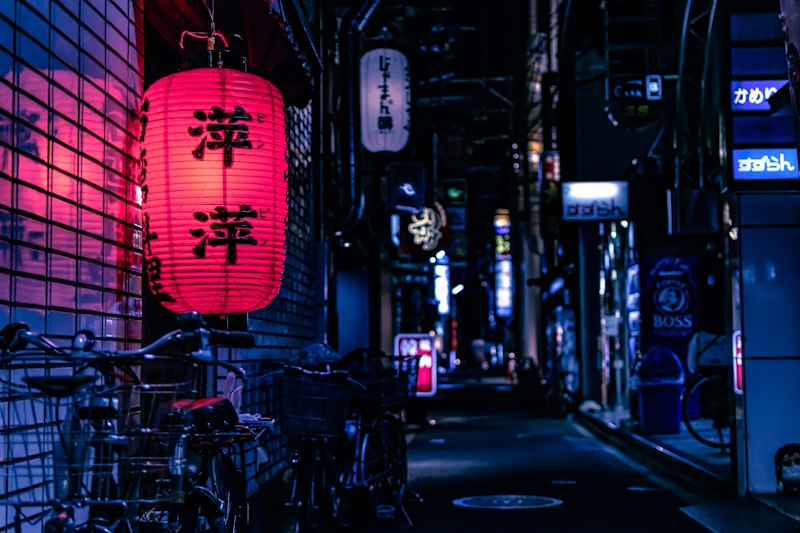
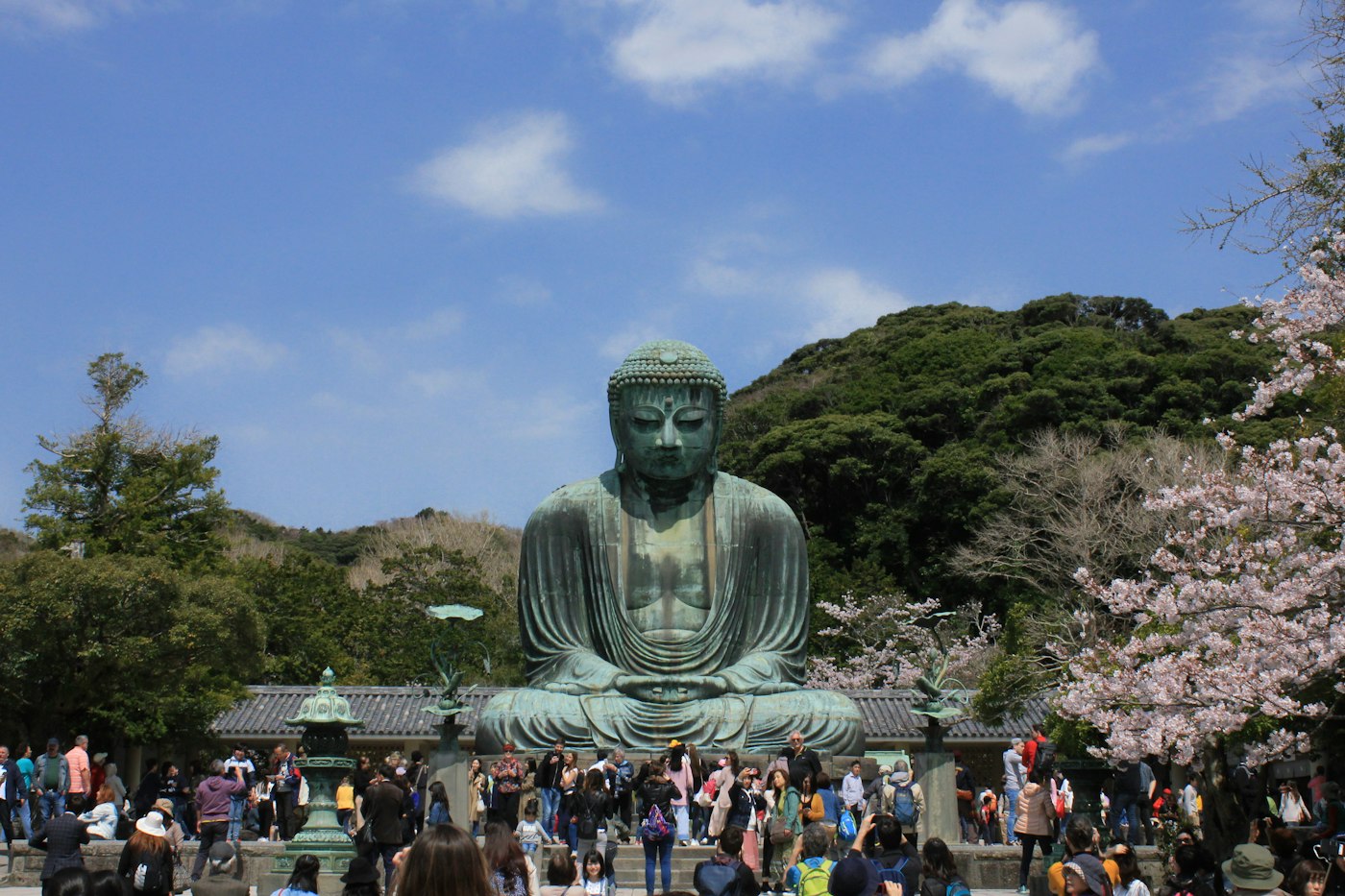
Mehr als ein Jahrhundert lang war Kamakura der Sitz der Shogune, und die Stadt hat die achthundert Jahre seither damit verbracht, die Kunst des stillen Erinnerns zu vervollkommnen. Der Zen schlug in Japan hier Wurzeln; seine großen Tempel, Kenchō-ji, Engaku-ji, läuten noch immer ihre Glocken über Zederntäler, kaum eine Stunde von Tokyo entfernt. Der Große Buddha des Kōtoku-in sitzt unter freiem Himmel, seit ein Tsunami vor fünf Jahrhunderten seine Halle davontrug, grün vor Geduld. Fügt man die Brandung an Yuigahama hinzu, Hortensiengassen, die die Hänge erklimmen, und laternenerleuchtete Straßen in der Dämmerung, so wird Kamakura zu dem, was es immer war: die kultivierteste Flucht der Hauptstadt.
Diese Reise unternimmt man am schönsten gänzlich auf der Straße. Ihr FFGR-Chauffeur holt Sie im Zentrum Tokyos ab, der Toyota Century, vielleicht, für ein so würdevolles Ziel, und nimmt die Yokohama-Yokosuka Road nach Süden, eine Fahrt von kaum mehr als einer Stunde, sofern sie so gelegt ist, dass sie der morgendlichen Verkehrsflut ausweicht. Wir empfehlen einen frühen Aufbruch: Die großen Tempel sind vor zehn Uhr am beredtesten. Der Wagen begleitet sodann diskret Ihren Tag, von den Hangtoren von Kita-Kamakura hinab zur Küste, und erspart Ihnen die überfüllten Lokalzüge, bereit, wann immer Sie die Küste entlang in Richtung Enoshima oder Hayama fortfahren möchten.
Im Juni färben sich die Hortensientreppen von Hase-dera und Meigetsu-in in ein unmögliches Blau, und eine frühe Ankunft ist alles. Die Herbstfärbung kommt hier spät : Ende November bis in den Dezember, und vergoldet den großen Ginkgo-Bezirk des Tsurugaoka Hachimangū und die Ahorne des Engaku-ji. Nehmen Sie Matcha im Bambushain des Hōkoku-ji, ein stilles Mittagessen nahe Kita-Kamakura, und bewahren Sie den späten Nachmittag dem Großen Buddha, wenn die Tagesbesucher sich zurückgezogen haben und das bronzene Antlitz im tiefen Licht weicher wird. Möchten Sie verweilen, liegen die Strandhotels von Hayama wenige Minuten die Küste entlang. Kamakura ist ein Tag, der sich wie eine Einkehr anfühlt; wir sorgen dafür, dass nichts ihn unterbricht.
Kamakura : Gallery