FFGR Japan · Japan
Nikkō
Tōshōgū shrine & Kegon waterfall
Die Grosse Erzählung
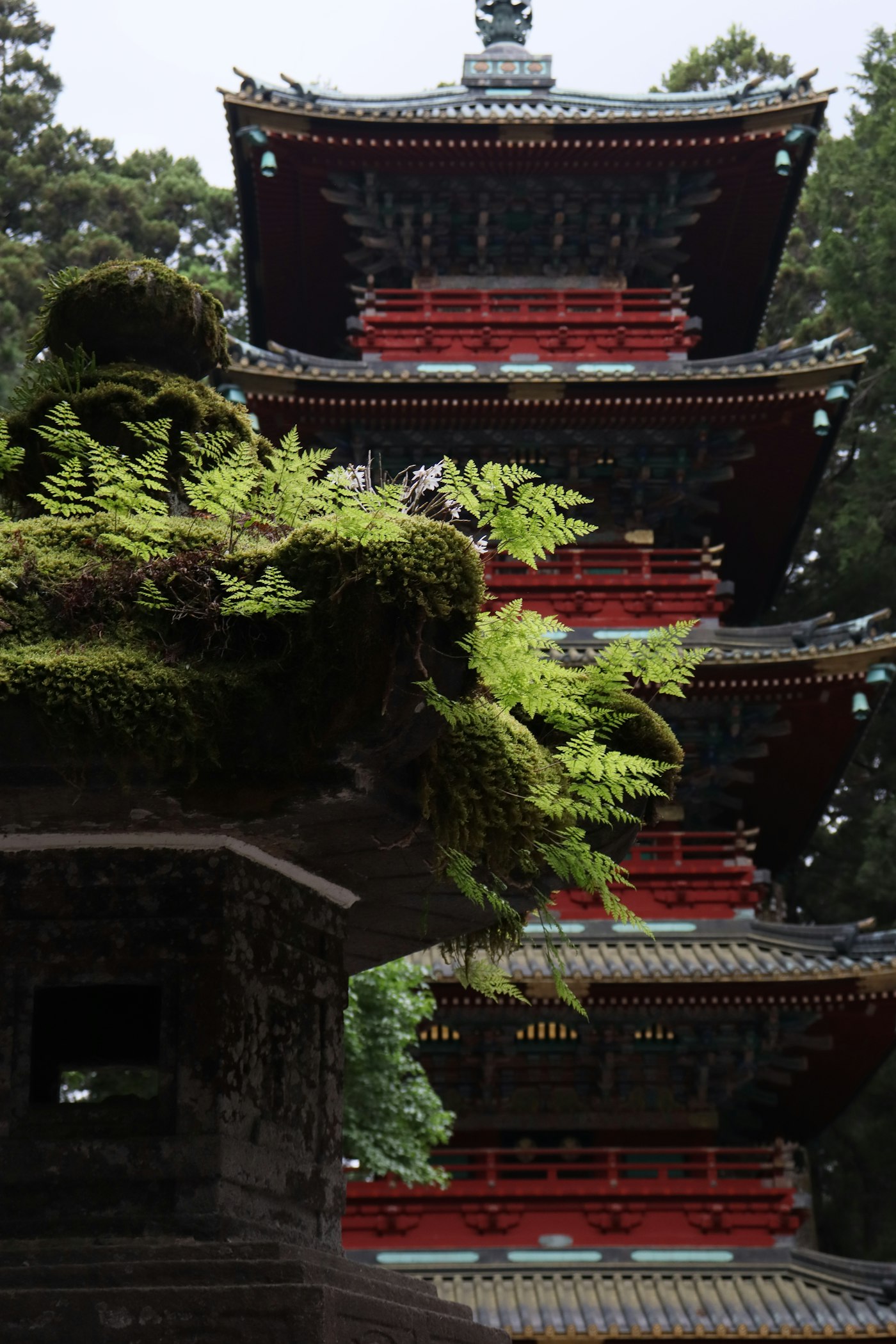
Sage niemals kekkō, ehe du Nikkō gesehen hast, lautet das alte Sprichwort, sage niemals großartig. In diesen Zedernbergen nördlich von Tokyo errichteten die Tokugawa-Shogune ihr extravagantestes Bekenntnis: Tōshō-gū, einen Schrein aus Hunderten von Schnitzereien, Blattgold und der berühmten schlafenden Katze, gebettet in einen Wald von solcher Feierlichkeit, dass er allen Zierrat demütigt. Jenseits des heiligen Bezirks steigen die Serpentinen der Irohazaka in eine andere Welt hinauf, der Lake Chūzenji glitzernd am Fuß des Mount Nantai, die Kegon Falls senkrecht in den Nebel darunter stürzend. Nikko ist der Ort, an dem sich Japans großartigste Architektur und seine wildeste Landschaft ausnahmsweise eine einzige Bühne teilen.
Von Tokyo aus ist die Fahrt selbst ein chauffiertes Vergnügen: der Tōhoku Expressway nach Norden, dann die Nikkō-Utsunomiya Road in die Berge, rund zwei Stunden vom Herzen der Stadt in der Stille eines Lexus LM oder Toyota Century. Ihr FFGR-Chauffeur legt die Abfahrt so, dass Sie die zinnoberrote Shinkyō-Brücke passieren, ehe die Tagesausflügler eintreffen. Den Aufstieg zum Lake Chūzenji über die achtundvierzig Haarnadelkurven der Irohazaka überlässt man, mit einiger Erleichterung, am besten professionellen weiß behandschuhten Händen; im Spätherbst und Winter führt der Wagen Ketten für die obere Straße mit. Bei Einbruch der Dämmerung könnten Sie zurück in Tokyo sein, doch dazu raten wir selten.
Logieren Sie im Nikkō Kanaya Hotel, der Grande Dame von Japans klassischen Resorthotels, wo einst Einstein und Frank Lloyd Wright das Gästebuch zeichneten, oder im The Ritz-Carlton, Nikko am Ufer des Chūzenji, dessen Bäder von den Schwefelquellen Yumotos gespeist werden. Momiji ist das große Ereignis: Die Färbung entzündet sich Ende Oktober rund um den See und ergießt sich den November hindurch hinab zu den Schreinen, die Shinkyō-Brücke in Karminrot gerahmt. Der Frühling antwortet mit Schnee, der noch auf dem Nantai liegt, und dem feierlichen Gepränge des Yayoi-Festes; der Sommer bietet eine Kühle, um die Tokyo nur beneiden kann. Sehen Sie Tōshō-gū zur Öffnungsstunde, dann lassen Sie den Wald, und Ihren Chauffeur, das Tempo bestimmen.
Nikkō : Gallery