FFGR Japan · Japan
Hiroshima
Peace Memorial & Itsukushima
The Grand Account
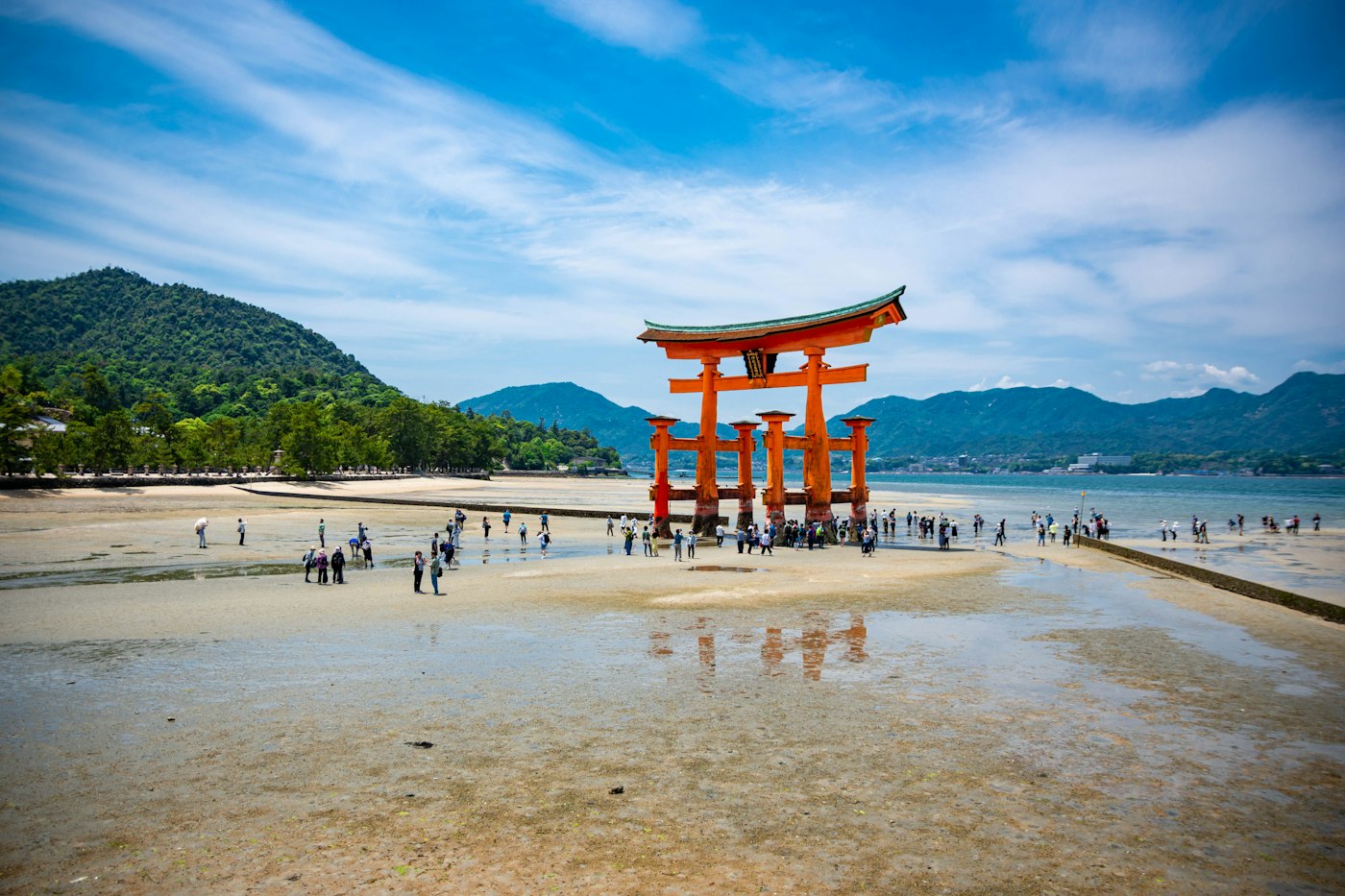
Hiroshima holds two truths at once: a history that changed the world, and a present of remarkable grace. The city rebuilt itself around its rivers and gardens, and today the Peace Memorial Park stands not as a wound but as a vow — visited by presidents, laureates and royalty who come to understand rather than merely to observe. Across the bay lies Miyajima, the island where gods are said to dwell, its great torii rising from the sea as it has since the twelfth century. Few destinations ask more of a visitor, and few give back so much composure in return. One travels here to be steadied.
The Nozomi Shinkansen runs from Tokyo to Hiroshima in just under four hours — the Green Car recommended, your chauffeurs managing both ends: one escorting you through Tokyo Station, another waiting at Hiroshima's gates beside the Alphard Executive Lounge. Guests travelling from Kyoto or Osaka shorten the rail journey considerably; by road, the Sanyō Expressway carries the Mercedes S-Class west along the Inland Sea. For Miyajima, your chauffeur drives to Miyajimaguchi and sees you to the ferry — or arranges a private vessel across the strait. Timings are built around the tide tables, for the torii is best met when the sea is high. Nothing is left to chance.
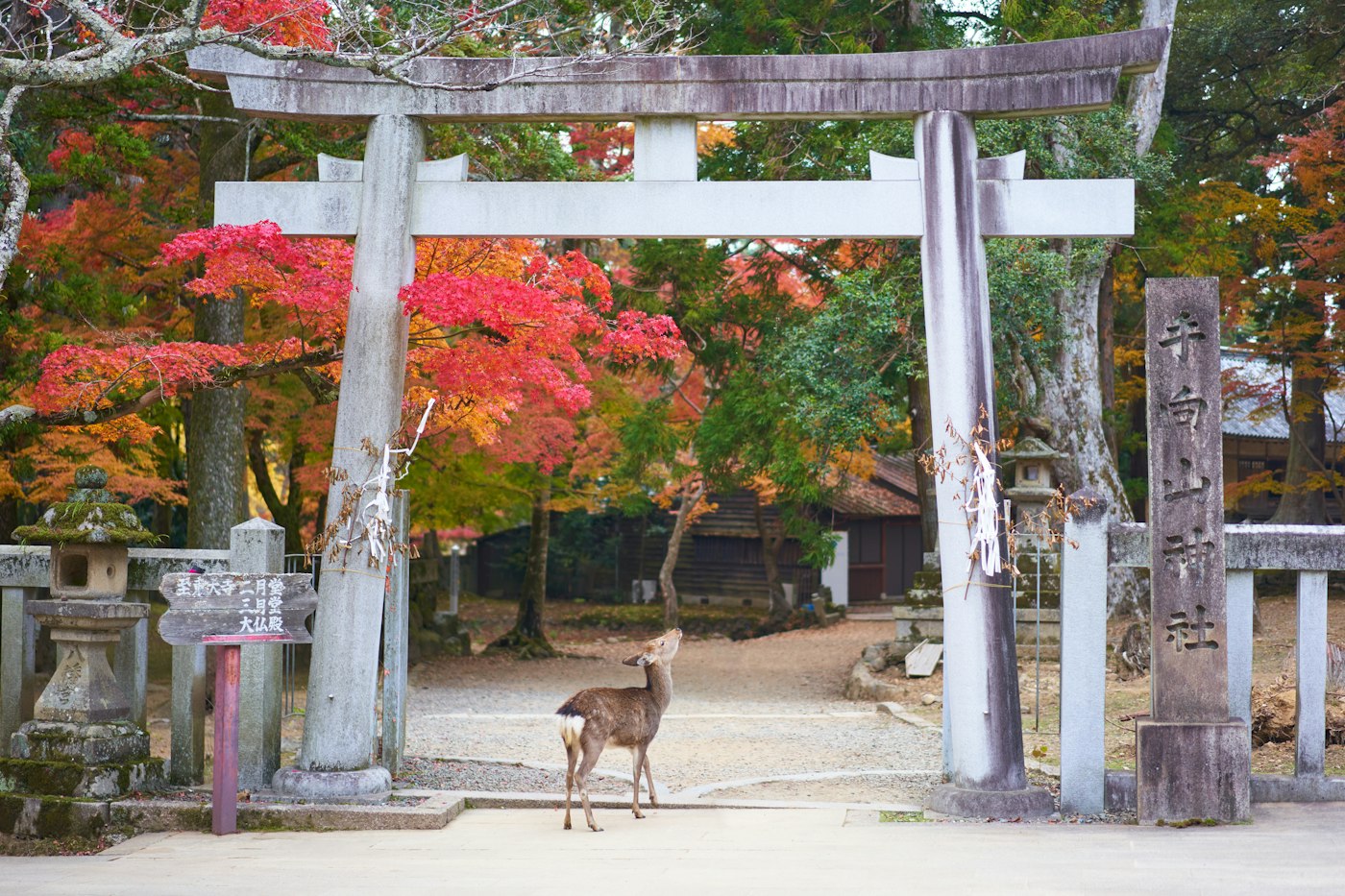
On Miyajima, Iwasō has received guests in its maple valley since 1854; an evening there, after the day visitors have sailed home and the deer wander lantern-lit lanes, is among Japan's quietest privileges. See Itsukushima Shrine at high tide, when its halls seem to float, and again at low water, walking out across the sand to the great torii. In Hiroshima itself, allow the Peace Memorial Museum an unhurried morning, then lunch on the season's oysters, the bay's particular gift from October to March. In November the maples of Momijidani burn crimson across the island. One leaves quieter than one arrived — which is rather the point.
Hiroshima — Gallery