
FFGR Japan · Japan
Kanazawa
Kenroku-en Garden & Noto Peninsula
Het Grote Verhaal
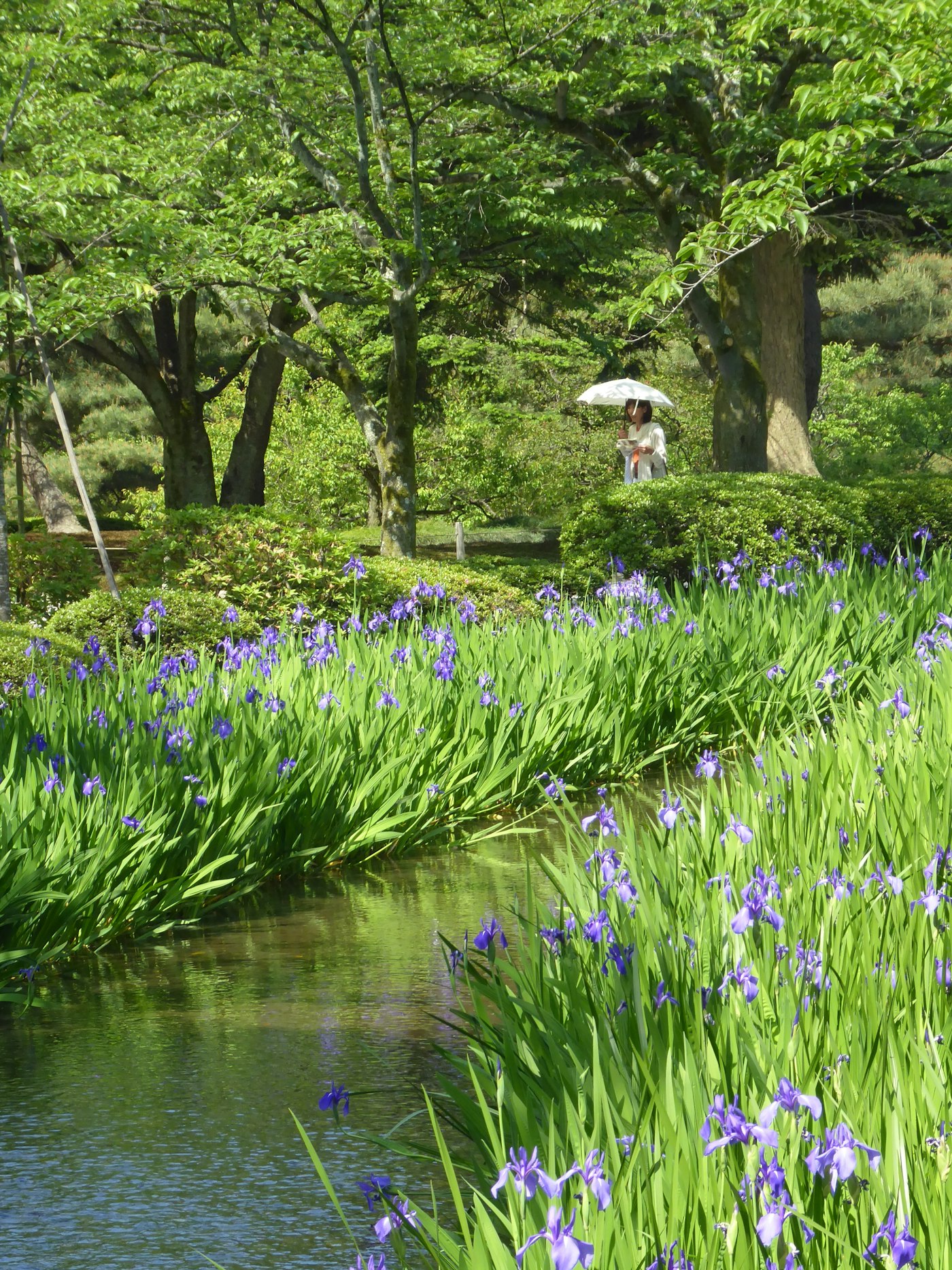
Kanazawa was de zetel van de Maeda-heren, wier domein in rijkdom slechts onderdeed voor dat van de shōgun, en die, verstoken van politieke ambitie, hun fortuin in schoonheid stortten. De erfenis duurt voort: Kenroku-en, gerekend tot de drie volmaakte tuinen van Japan; de geishahuizen van Higashi Chaya; de samoeraistraatjes van Nagamachi; bladgoud zo fijn geslagen dat het ademt. Gespaard door de oorlog behield de stad wat andere verloren. De sneeuw komt hier in alle ernst, vanaf de Japanse Zee, en Kanazawa is op zijn mooist eronder. Kenners spreken over deze stad zoals men ooit over Kyoto sprak, zachtjes, en slechts tegen enkelen.
Dit is de reis waarop de Shinkansen zijn fraaiste vorm toont: de Kagayaki-dienst van de Hokuriku-lijn vanuit Tokyo in Gran Class, achttien lederen zetels, bediening aan boord, de bergen van Nagano die op snelheid voorbijtrekken, die Kanazawa bereikt in circa tweeënhalf uur. Uw chauffeur begeleidt u aan boord op Tokyo Station; een tweede wacht onder de grote houten Tsuzumi-mon-poort met de Toyota Century. Wie de weg verkiest, kruist de ruggengraat van Honshu via de Kan-etsu, Jōshin-etsu en Hokuriku Expressways, met de Japanse Zee die eindelijk aan de rechterzijde verschijnt, een tocht van vijf uur die de Lexus LM op het lijf is geschreven. In de winter is de cabine verwarmd, zijn de paraplu's groot en is de timing exact.
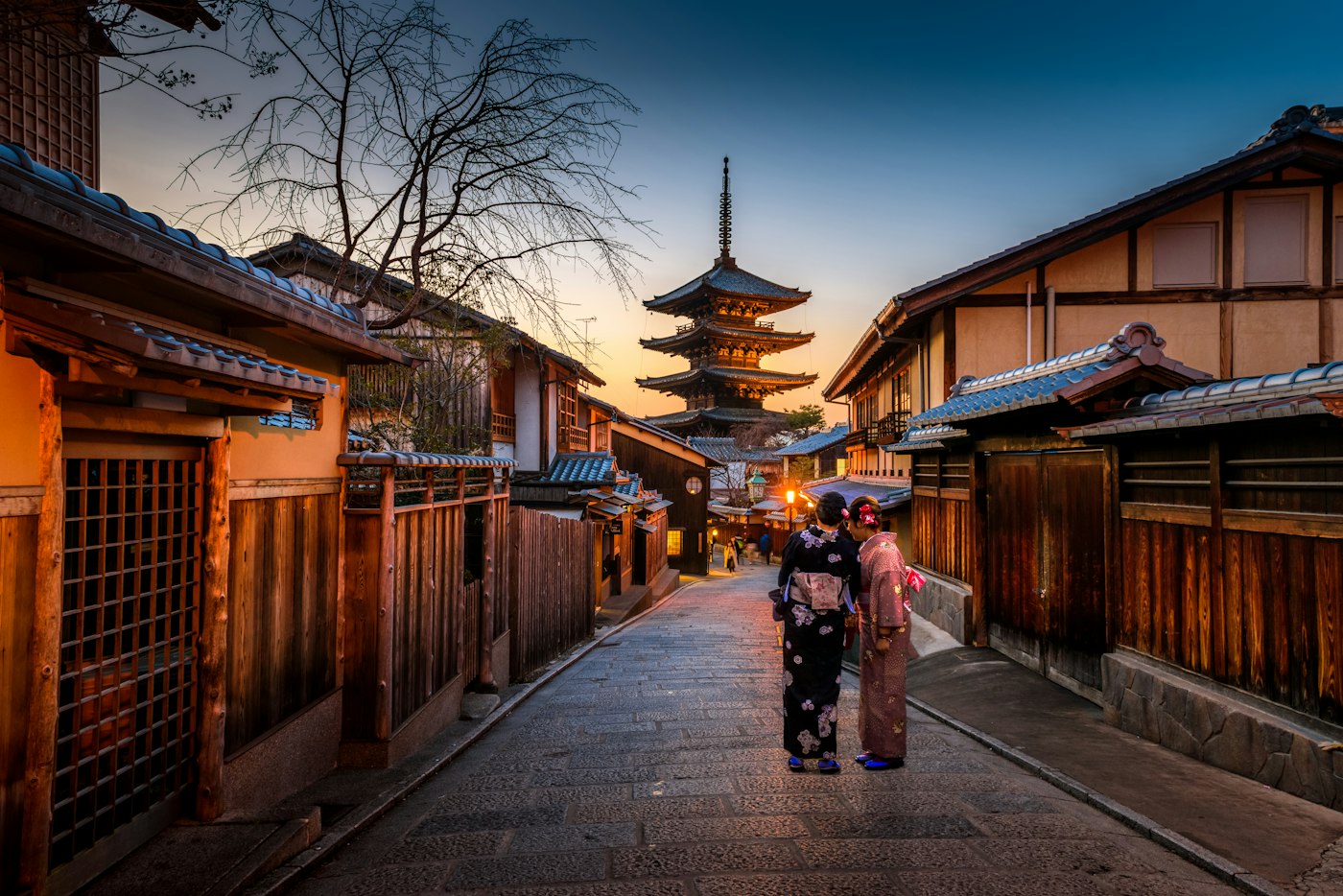
Asadaya, een ryokan met acht kamers gesticht in 1867, destilleert de gastvrijheid van Kanazawa tot haar essentie; het Hyatt Centric bedient wie het gemak van het station verkiest. Dineer bij Zeniya, waar Shinichirō Takagi de keuken van het oude Kaga verfijnt, of aan de counters van Ōmichō Market bij dageraad, waar de sneeuwkrab nog koud uit zee arriveert: op zijn hoogtepunt van november tot maart. Kenroku-en verdient zijn openingsuur, bovenal in de winter, wanneer de yukitsuri-touwen de pijnbomen schragen tegen de sneeuw. Eindig tussen de theehuizen van Higashi Chaya wanneer de lampen aangaan en bladgoud glinstert in de ateliervensters. Kanazawa zoekt geen aandacht. Dat is precies zijn luxe.
Kanazawa : Gallery