FFGR Japan · Japan
Tokyo
Imperial Palace & Ginza luxury
Die Grosse Erzählung
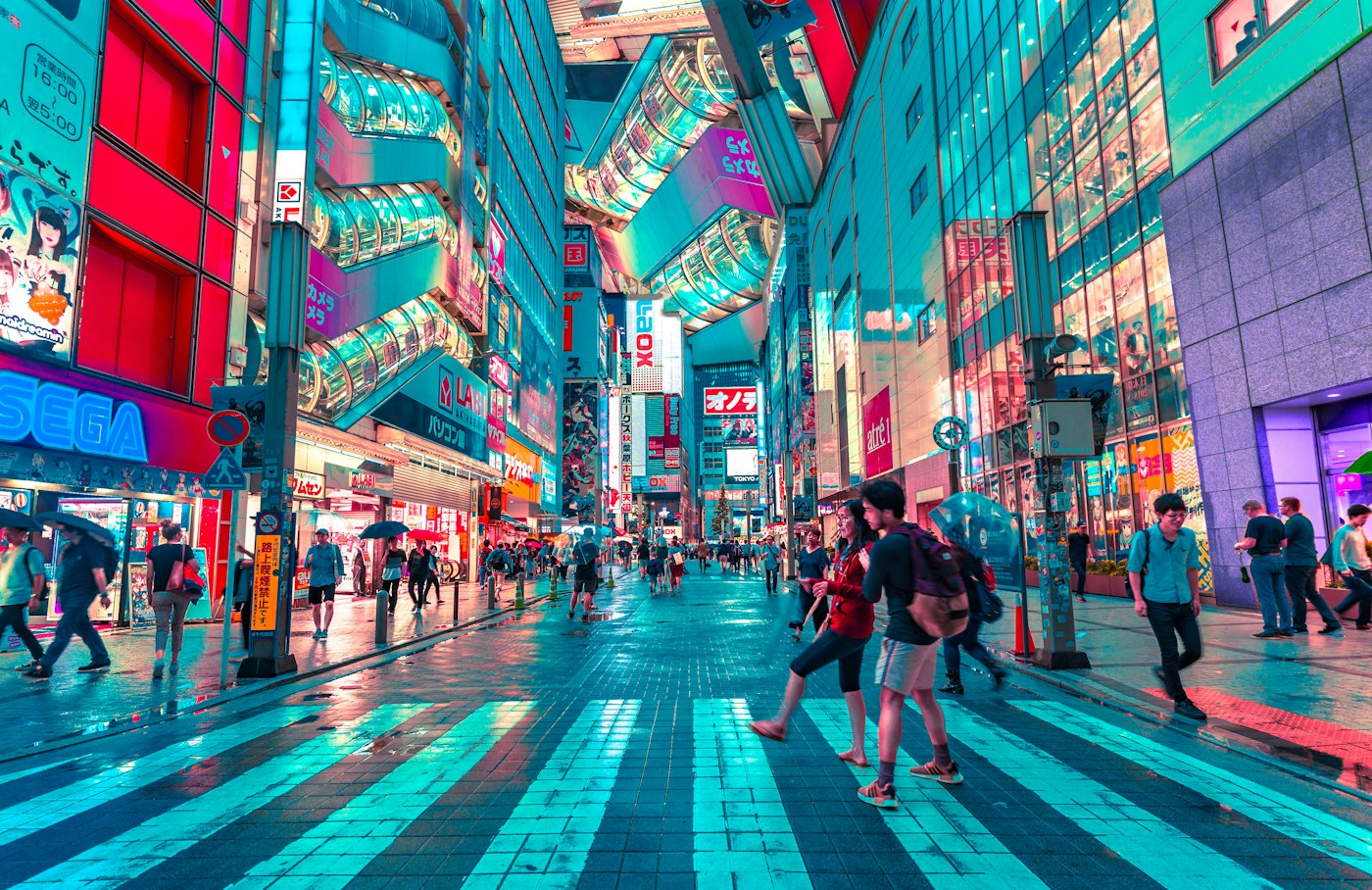
Tokyo kündigt sich nicht an; es entfaltet sich. Unter der diszipliniertesten Skyline der Welt verbirgt sich eine Stadt aus Dörfern, die polierten Arkaden von Ginza, die stillen Ateliers von Aoyama, die zedernduftende Andacht des Meiji Jingū im ersten Licht. Dies ist die Hauptstadt der Verfeinerung als täglicher Übung, wo ein jahrhundertealtes Messergeschäft neben einem Flagship-Haus aus Glas und Stille steht. Die anspruchsvollsten Reisenden der Welt kehren nicht des Spektakels wegen zurück, sondern der Präzision wegen: Service, der unsichtbar erbracht wird, Schönheit, die sich im kleinsten Detail bewährt. Kaiser, Staatsmänner und die Gründer großer Häuser haben stets verstanden, dass Tokyo das geduldige Auge belohnt. Es ist eine Stadt, die umso mehr gibt, je weniger man von ihr verlangt.
Es gibt hier keine Anreise; der Tag selbst ist das Ziel. Ihr Chauffeur fährt den Toyota Century im ersten Morgenlicht an den Bordstein, weiße Handschuhe, lautlos geöffnete Türen, für eine private Stunde im Bambusgarten des Nezu Museums in Aoyama, ehe die Stadt erwacht. Der späte Vormittag gehört Ginza: Mikimoto, die Ateliers der Namiki-dōri, eine Pause ohne Eile, während der Wagen dort wartet, wo er soll, und niemals dort, wo er nicht soll. Das Mittagessen folgt wie selbstverständlich im Imperial Hotel, einem Haus der Gastlichkeit seit 1890. Der Century gleitet, anstatt zu fahren; Ihr Chauffeur liest den Rhythmus der Stadt, damit Sie es nicht müssen. Bei Einbruch der Dämmerung ist jede Schwelle vorausgedacht. Dies ist Omotenashi in Bewegung.
Ruhen Sie dort, wo die Stadt in ihrer höchsten Höhe am stillsten ist: im Aman Tokyo, schwebend über Ōtemachi, oder in den Gärten des Heritage Wing im The Okura Tokyo. Das Abendessen mag der Tresen des Den in Jingūmae sein, wo sich Förmlichkeit in Wärme auflöst, oder der Degustationsraum des L'Effervescence in Nishi-Azabu. Bitten Sie Ihren Chauffeur Ende März um die abendliche Kirschblüte am Chidorigafuchi, wo sich die Laternen im Burggraben verdoppeln; Anfang Dezember färbt sich die Ginkgo-Allee des Meiji Jingū Gaien bis vier Uhr nachmittags golden. Tokyo drängt sich selten auf; es wartet schlicht darauf, bemerkt zu werden. Wer es bemerkt, kehrt zurück.
Tokyo : Gallery